Spain is a safe country to live in and visit: it ranks 27th of 163 countries on the 2026 Global Peace Index, up four places on 2025 (Vision of Humanity, GPI 2026, checked 18 October 2026), and the US State Department rates it Level 2, "Exercise increased caution" because of terrorism and unrest, with Ceuta at Level 3 (advisory issued 1 August 2026, as republished by OSAC, checked 18 October 2026). Violent crime is rare: police recorded 183 completed intentional homicides in January-June 2026 in a country of about 49.8 million people, and the risk most expats meet is pickpocketing and other theft in tourist areas (Ministerio del Interior, Balance de Criminalidad, checked 18 October 2026; INE).
The Balance de Criminalidad is the Interior Ministry's quarterly report of crimes recorded by the Policía Nacional, Guardia Civil, the regional police forces and the local police forces that share data.
Movingto is an immigration firm that puts a named, Bar-registered lawyer from its in-house legal team on your case and publishes its fees.
For the residence side of a move, see our Spain services, including the non-lucrative visa (from €1,750) and the digital nomad visa (from €1,895), as listed on our pricing page. Our Spain visas guide compares every route.
Crime Rates and Statistics in Spain
Quick Answer: Police in Spain recorded 1,217,476 criminal offences in January-June 2026, 0.5% more than a year earlier. Thefts without violence (hurtos) fell 3.8% and home burglaries 3.7%, while online fraud (214,621 cases) rose 1.6% (Ministerio del Interior, Balance de Criminalidad, second quarter 2026, checked 18 October 2026; 2026 data are provisional).
The Interior Ministry's first-quarter 2026 balance put Spain's conventional crime rate at 40.5 offences per 1,000 inhabitants, "in the lowest band of the historical series", with cybercrime adding 10.0 per 1,000 (Balance de Criminalidad, Q1 2026). The latest half-year figures:
| Offence | Jan-Jun 2025 | Jan-Jun 2026 | Change |
|---|---|---|---|
| Completed intentional homicides | 184 | 183 | -0.5% |
| Robbery with violence or intimidation | 29,635 | 29,392 | -0.8% |
| Home burglaries | 35,028 | 33,745 | -3.7% |
| Thefts without violence (hurtos) | 310,231 | 298,475 | -3.8% |
| Vehicle thefts | 15,492 | 16,052 | +3.6% |
| Sexual offences | 10,545 | 10,971 | +4.0% |
| Online fraud | 211,210 | 214,621 | +1.6% |
| All criminal offences | 1,211,083 | 1,217,476 | +0.5% |
Theft is the offence visitors and new residents are most likely to meet: police recorded 298,475 thefts without violence (hurtos) in the first half of 2026, against 29,392 robberies with violence or intimidation. Pickpocketing and bag-snatching tend to happen in crowded places such as metro stations, popular attractions and busy squares, and follow patterns you can learn to avoid.
Violent crime is uncommon. Spain recorded 376 completed intentional homicides in 2025, about 0.8 per 100,000 residents (our calculation from the Interior Ministry's full-year 2025 balance and INE's population of about 49.4 million in mid-2025).
Which Spanish cities are safest for expats?
Quick Answer: No official ranking names Spain's "safest city". The Interior Ministry's quarterly balance publishes recorded crime for every municipality with more than 20,000 inhabitants, so you can compare the places you are considering. Smaller northern cities such as Oviedo, San Sebastián and Pamplona see far fewer tourists, while Madrid and Barcelona need more awareness of pickpocketing in tourist areas.
Oviedo (Asturias) A northern regional capital with affordable living, few tourist crowds and a traditional Spanish lifestyle. The trade-off: cooler, rainier weather and fewer English speakers.
San Sebastián (Basque Country) Known for world-class dining and coastal beauty, with a higher cost of living than most Spanish cities. In the Basque Country, the regional police (Ertzaintza) take crime reports.
Valencia Spain's third-largest city, with a beach lifestyle, a growing tech scene and good infrastructure. As in other big cities, watch for pickpockets in busy tourist areas such as Ciutat Vella and the beach promenade.
Málaga The Costa del Sol's capital has grown into a tech hub. Pickpocketing is the main concern in the centre and on the beaches in summer.
Madrid The capital, a city of more than 3 million people. Areas that need extra awareness include Sol and Gran Vía (pickpocketing) and some nightlife areas late at night. Our living in Madrid guide covers neighbourhoods.
Barcelona Petty theft is the main issue in tourist-heavy areas: Las Ramblas, the metro and the beaches need vigilance. Residential neighbourhoods such as Gràcia, Sant Gervasi and Sarrià see far fewer tourists. In Catalonia, the Mossos d'Esquadra take crime reports. Our living in Barcelona guide covers neighbourhoods.
What are the most common crimes in Spain?
Quick Answer: Pickpocketing and bag-snatching are the main concerns for expats. Stay aware in tourist areas, secure your belongings and avoid displaying expensive items; basic precautions cut the risk considerably.
Pickpocketing One of the most common crimes affecting visitors. Professionals work tourist areas, metro stations, and crowded events. They're skilled—victims often don't notice until later.
- Keep wallets in front pockets or money belts
- Use bags with zippers that face your body
- Stay alert when strangers approach with questions or distractions
- Be extra vigilant on public transport, especially when boarding
- Don't keep all valuables together—separate phone, wallet, passport
Bag-Snatching Thieves on scooters target pedestrians with visible bags, especially near tourist areas. Prevention is straightforward:
- Wear crossbody bags with the bag facing away from the street
- Walk facing oncoming traffic when possible
- Avoid phone use while walking on narrow streets
- Don't hang bags on restaurant chairs—keep them in your lap
Distraction Theft Teams work together—one distracts while another steals. Common tactics include:
- "Helpful" strangers pointing out stains on your clothing
- People asking for directions while blocking your path
- Rose sellers or petition signers creating confusion
- Fake police officers asking to see your wallet
Recognize these patterns and maintain control of your belongings during any unexpected interaction with strangers.
Apartment Break-ins Police recorded 33,745 home burglaries in January-June 2026, 3.7% fewer than a year earlier (Interior Ministry). Ground-floor flats and those near public access points are easier targets. Preventive measures:
- Choose apartments with security doors (puerta blindada)
- Use all locks, including additional bolt locks
- Consider upper-floor apartments in buildings with portero (doorman)
- Don't leave windows open when away, even briefly
- Install doorbell cameras or security systems if concerned
Safety Tips for Daily Life
Quick Answer: Most safety in Spain comes from awareness rather than restriction. Walk confidently, stay alert in crowds, secure your home properly, and trust your instincts.
On the Streets
- Walk confidently and purposefully—don't appear lost or distracted
- Keep phone conversations brief in public, or use earbuds
- Avoid counting money or displaying valuables publicly
- Stay on well-lit main streets at night, especially in unfamiliar areas
- Trust your instincts—if something feels wrong, move away
Using Public Transport
- Watch belongings when boarding metro/buses (peak theft moment)
- Stand with your back to walls when possible
- Keep bags in front of you, not on your back
- Be alert at transfer stations and tourist-heavy stops
- Night buses are generally safe but maintain awareness
At Home
- Don't buzz in unknown visitors—use the intercom
- Get to know your neighbors—building communities improve security
- Register with your embassy for emergency notifications
- Keep copies of important documents separate from originals
- Consider renter's insurance covering theft
While Traveling
- Hotel safes for passports and valuables
- Scan documents and store copies in cloud storage
- Inform your bank of travel plans to prevent card blocks
- Research specific safety conditions for your destination
Police and Emergency Services
Quick Answer: Dial 112 for any emergency in Spain. It is the EU-wide emergency number and connects to police, ambulance and fire services. Local police (Policía Local or Municipal) can be reached on 092 in most cities.
Spain has multiple police forces with different jurisdictions:
Policía Nacional (National Police) Handle serious crime in cities, immigration and documentation (NIE, TIE). In Catalonia and the Basque Country, the regional forces (Mossos d'Esquadra and Ertzaintza) handle most day-to-day policing and crime reports. Find your nearest Policía Nacional station at www.policia.es.
Guardia Civil Rural policing, highway patrol, and border control. You'll encounter them when driving between cities or in smaller towns. They maintain traffic checkpoints and respond to rural emergencies.
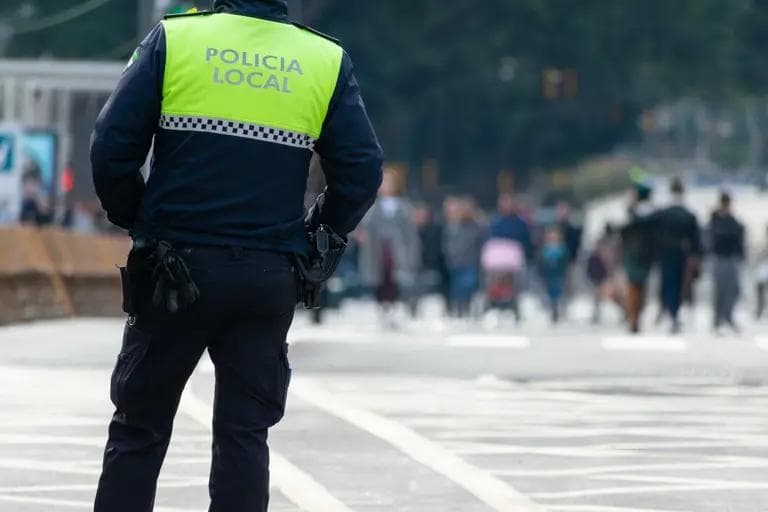
Policía Municipal/Local City-specific police handling local ordinances, parking, and community safety. Often first responders for minor incidents. Found at local stations or patrolling on foot in city centers.
Reporting Crimes For thefts or crimes requiring a police report (denuncia):
- Go to the nearest police station (Policía Nacional, Guardia Civil, or the Mossos d'Esquadra or Ertzaintza in Catalonia and the Basque Country)
- Bring identification and any evidence
- Ask whether an English speaker or an interpreter is available if you need one
- Obtain a copy of the denuncia for insurance claims
The Policía Nacional's online report office accepts some reports online, but not for offences involving violence or intimidation, a suspect you know or could recognise, known witnesses, a person reporting who is under 18, or violent or sexual offences. You then have to sign the report at the police station you chose within 72 hours, or it has no legal validity (Policía Nacional, checked 18 October 2026).
Important Numbers:
- 112 - General emergencies (police, ambulance, fire)
- 091 - Policía Nacional
- 092 - Policía Municipal
- 062 - Guardia Civil
- 061 - Medical emergencies in many regions (112 works everywhere)
Health and Medical Safety
Quick Answer: Spain's public health system (SNS) covers residents who qualify, and our Spain healthcare guide explains who does. Pharmacies (farmacias) handle minor health issues and are easy to find in cities.
For urgent care, go to a hospital emergency department (urgencias) or call 112; pharmacists can advise on many minor problems.
Key health safety considerations:
- Sun exposure: Spain's UV levels require sunscreen, especially in summer. Dehydration and heatstroke affect unprepared visitors.
- Air quality: Madrid and Barcelona have occasional pollution episodes. Check your regional air-quality service for alerts; AEMET, the state weather agency, issues weather and heat warnings.
- Water safety: Tap water is treated and monitored under Spain's drinking-water rules (Royal Decree 3/2023). Some areas have hard or mineral-tasting water.
- Food safety: High standards throughout the country. Restaurants follow EU hygiene regulations.
Pharmacies (marked with green crosses) provide over-the-counter medications, basic medical advice, and some prescriptions. Pharmacies take turns to open at night and on holidays—check posted signs for the nearest "farmacia de guardia."
Natural Disaster Risks
Quick Answer: The main natural risks in Spain are autumn flash floods (DANA) on the Mediterranean side, summer wildfires and heatwaves. Earthquakes are usually minor.
Flooding (DANA/Gota Fría) The Mediterranean coast experiences intense rainfall events, particularly in autumn. "DANA" (Depresión Aislada en Niveles Altos) can cause flash flooding in Valencia, Murcia, and Andalucía regions. Monitor weather warnings during autumn months and avoid dry riverbeds (ramblas) during storms.
Forest Fires Summer droughts create fire conditions, particularly in inland areas. Most fires stay remote from urban centers, but air quality can deteriorate. Follow local authorities' evacuation guidance if you live near forested areas.
Earthquakes Spain sits near the boundary of the African and Eurasian plates, so the south and south-east (around Granada, Murcia and Almería) see the most activity. Large earthquakes are rare, and buildings must follow Spain's seismic building code, NCSR-02 (Royal Decree 997/2002).
Heatwaves Summer temperatures can exceed 45°C in interior Spain. Heat-related deaths do occur among elderly and vulnerable populations. Stay hydrated, avoid midday outdoor activities, and ensure adequate cooling in your home.
Women's Safety in Spain
Quick Answer: Many women walk alone at night in Spanish city centres, with standard precautions. Street harassment does occur. Spain has specific laws on gender-based violence and sexual freedom, and the free 016 helpline answers 24 hours a day.
Legal reforms, including Organic Law 10/2022 on sexual freedom, have strengthened protections against sexual violence and harassment.
Practical safety notes:
- Many women walk alone at night in mainstream neighbourhoods
- Late-night public transport feels safe, though awareness is sensible
- Catcalling and verbal harassment do occur; call 112 if you feel threatened
- Night entertainment districts require standard precautions (don't leave drinks unattended, stay with friends)
- Dating apps carry normal risks—meet in public places initially
Support resources:
- 016 - Helpline for all forms of violence against women: free, confidential, 24 hours, with phone support in 53 languages, plus WhatsApp on 600 000 016 (Ministry of Equality, checked 18 October 2026)
- Regional and municipal women's support centres provide support services
- Emergency shelters available for those fleeing domestic situations